Drains are one of the most frequently used parts of any plumbing system, but they are also easy to overlook. Kitchen sinks handle food scraps and grease, bathroom drains collect hair and soap residue, and household drain lines carry wastewater away every day. Over time, these materials can accumulate inside pipes and contribute to slow drainage, unpleasant odors, and recurring clogs.
So, how often should you have drains cleaned?
For most households, routine drain maintenance and occasional professional inspections can help keep plumbing systems working properly. However, the ideal cleaning frequency depends on how much your drains are used, the age and condition of your pipes, the number of people living in your home, and whether you have experienced recurring blockages.
In this guide, we explain how often different household drains should be maintained, what signs indicate that your drains need attention, and when professional drain cleaning may be the right solution.
How Often Should You Have Your Drains Cleaned?
There is no single cleaning schedule that works for every property. Some drains may need only basic routine maintenance, while others may require more frequent professional attention because of heavy usage, grease buildup, hair accumulation, or recurring blockages.
As a general maintenance guide:
- Kitchen drains: Monitor regularly and clean strainers and accessible drain components frequently. Professional cleaning may be appropriate when grease buildup or recurring slow drainage develops.
- Bathroom drains: Remove visible hair and debris regularly. Have persistent slow drainage or recurring clogs investigated by a plumber.
- Laundry drains: Check for lint, detergent residue, and drainage problems. Properties with frequent laundry use may need more attention.
- Main household drain lines: Consider a professional inspection if several fixtures drain slowly, backups occur repeatedly, or you notice other signs of a main-line problem.
- Storm drains: Inspect and clear accumulated leaves, dirt, and debris as needed, especially before and during periods of heavy rain.
These are maintenance guidelines rather than mandatory professional cleaning intervals. A plumber can recommend an appropriate schedule after evaluating the condition and usage of your plumbing system.
How Often Should Kitchen Drains Be Cleaned?
Kitchen drains handle grease, cooking oils, food particles, soap, and other everyday waste. Even when a sink appears to drain normally, small amounts of residue can collect along the inside of pipes.
Over time, grease and food debris may combine to form stubborn blockages.
To keep kitchen drains in good condition:
- Use a sink strainer to catch food particles.
- Remove food scraps from dishes before washing them.
- Avoid pouring cooking oil, grease, or fat down the sink.
- Clean the sink strainer regularly.
- Pay attention to slow drainage or unpleasant odors.
- Avoid forcing large amounts of food waste through the garbage disposal.
If your kitchen sink repeatedly drains slowly, gurgles, or develops unpleasant odors, the problem may be deeper inside the drain line.
Professional drain cleaning may help remove accumulated buildup and identify the cause of recurring drainage problems.
How Often Should Bathroom Drains Be Cleaned?
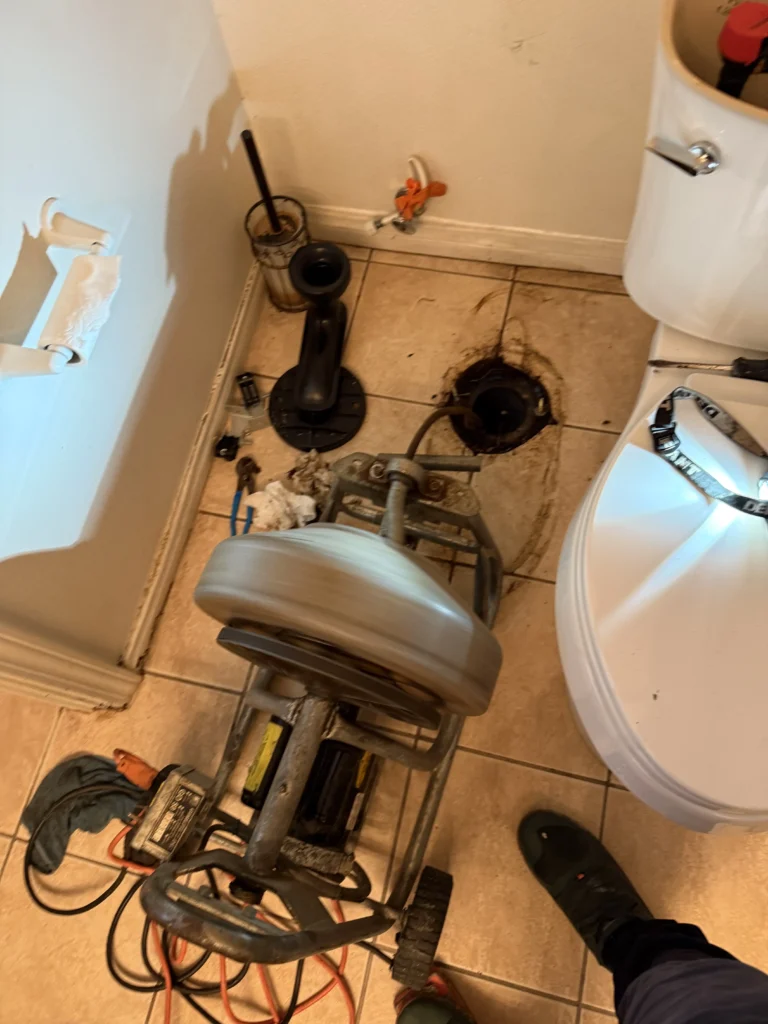
Bathroom drains commonly collect hair, soap residue, toothpaste, shaving products, and other personal-care materials.
These substances can gradually restrict water flow, particularly in shower and bathtub drains.
Regular bathroom drain maintenance should include:
- Removing visible hair from shower and bathtub strainers.
- Cleaning sink stoppers and drain covers.
- Avoiding the disposal of wipes, cotton products, and other materials that do not break down easily.
- Watching for water that drains more slowly than usual.
- Investigating recurring clogs instead of repeatedly using chemical drain cleaners.
If multiple bathroom fixtures are draining slowly, the problem may involve a shared drain line rather than an individual fixture.
A professional inspection can help determine whether the blockage is near the fixture or farther inside the plumbing system.
How Often Should Main Household Drains Be Cleaned?
Your main drain line carries wastewater from different plumbing fixtures toward the sewer or septic connection. Because it handles wastewater from multiple areas of your property, a problem in this line can affect several fixtures at once.
Unlike a kitchen or bathroom sink, a main drain line does not necessarily need routine cleaning at a fixed interval.
The right maintenance approach depends on factors such as:
- The age and material of the pipes.
- The number of people using the plumbing system.
- Previous sewer or drain blockages.
- Tree roots growing near underground pipes.
- Grease, sediment, or other debris inside the line.
- The property’s history of backups or drainage problems.
If you regularly experience slow drainage throughout your home, sewage odors, or repeated backups, a professional drain inspection may be necessary.
For more information about identifying serious blockages, read our guide to main sewer line clogs.
What Factors Affect How Often Drains Need Cleaning?
Several factors determine how frequently your drains may require maintenance or professional cleaning.
1. Number of People in Your Household
A home with several occupants generally experiences more plumbing usage than a home with one or two people.
More showers, laundry loads, cooking, and dishwashing can increase the amount of material entering your drainage system.
Households with heavier plumbing usage should pay closer attention to early signs of drainage problems.
2. Age and Condition of Your Pipes
Older plumbing systems may have corrosion, rough interior surfaces, deteriorating joints, or accumulated mineral deposits.
These conditions can contribute to restricted water flow and make certain drain lines more susceptible to recurring blockages.
If your property has older pipes, periodic professional inspections can help identify developing problems before they become more serious.
3. Cooking and Grease Disposal Habits
Kitchen drains are particularly vulnerable to grease and cooking oil buildup.
Liquid grease may appear harmless when poured down the sink, but it can cool and stick to the inside of pipes. Food particles can then collect around the residue and contribute to a blockage.
Keeping grease out of your plumbing system is one of the simplest ways to reduce kitchen drain problems.
4. Hair and Soap Buildup
Hair can combine with soap residue and other debris to create blockages in bathroom drains.
Homes with multiple occupants may experience this problem more frequently because showers and bathtubs are used more often.
Using drain covers and removing visible hair can help reduce buildup.
5. Tree Roots and Underground Drainage Problems
Tree roots can enter underground pipes through small cracks or loose connections. As roots grow, they may restrict wastewater flow and contribute to repeated sewer line blockages.
If your home experiences recurring main drain problems, a plumber may recommend a camera inspection to investigate the condition of the underground pipe.
7 Signs Your Drains Need Professional Cleaning
You do not always need to wait until a drain becomes completely blocked before taking action. Early warning signs can indicate that debris or buildup is beginning to restrict water flow.
Watch for these common symptoms:
1. Water Drains Slowly
If water takes longer than usual to disappear from your sink, bathtub, or shower, there may be an obstruction inside the drain.
2. Recurring Drain Clogs
A drain that becomes blocked repeatedly may have a deeper buildup problem. Clearing the visible obstruction may not address the underlying cause.
3. Unpleasant Drain Odors
Persistent sewage or foul odors may indicate trapped organic material, buildup, or another plumbing issue. Sewer odors should not automatically be treated as a simple cleaning problem.
4. Gurgling Sounds
Gurgling or bubbling sounds from drains can sometimes indicate restricted airflow or drainage problems within the plumbing system.
5. Water Backing Up
Water backing up into a sink, shower, or bathtub may indicate a blockage. If wastewater backs up into multiple fixtures, the main drain line could be involved.
6. Multiple Slow Drains
When several fixtures experience drainage problems at the same time, the issue may be farther down the shared drainage system.
7. Frequent Need for Chemical Drain Cleaners
If you regularly rely on chemical products to clear the same drain, the underlying issue may not be resolved.
Repeated chemical use can also damage certain plumbing materials. A professional diagnosis is a better approach when blockages keep returning.
Does Regular Drain Cleaning Prevent Future Clogs?
Regular drain maintenance can reduce the risk of some blockages, but it cannot prevent every plumbing problem.
Removing visible debris, keeping grease out of kitchen drains, and addressing slow drainage early can help reduce the accumulation of common clog-causing materials.
Professional drain cleaning may also help remove buildup that ordinary household maintenance cannot reach.
However, recurring blockages may have a different cause, such as:
- Damaged or collapsed pipes.
- Tree root intrusion.
- Improper pipe installation.
- Heavy grease accumulation.
- Mineral deposits.
- Structural problems in underground drainage lines.
In these situations, cleaning alone may provide only temporary relief. A plumber may need to inspect the line and recommend an appropriate repair.
If you are unsure whether professional service is necessary, read our article: Is Professional Drain Cleaning Worth It?.
DIY Drain Maintenance vs. Professional Drain Cleaning
Basic drain maintenance is something homeowners can perform regularly. However, persistent or recurring drainage problems may require professional equipment and experience.
What You Can Do Yourself
For everyday drain maintenance:
- Use drain strainers in sinks and showers.
- Remove visible hair and food debris.
- Dispose of grease and cooking oil separately.
- Keep wipes and hygiene products out of toilets.
- Clean accessible drain covers and stoppers.
- Monitor changes in drainage speed.
- Avoid using excessive chemical drain cleaners.
These simple habits can help reduce common household drain problems.
When to Hire a Professional Plumber
Consider professional drain cleaning or inspection when:
- A drain repeatedly becomes clogged.
- Several fixtures are draining slowly.
- Water backs up into sinks, showers, or tubs.
- You notice persistent sewage odors.
- DIY methods do not resolve the problem.
- You suspect a main sewer line blockage.
- Your property has a history of recurring drainage issues.
A plumber can determine whether the problem requires mechanical drain cleaning, hydro jetting, camera inspection, or another appropriate solution.
The correct method depends on the type of blockage and the condition of the pipe. For example, high-pressure water jetting may be useful for certain types of buildup, but it should only be used when the pipe is suitable for the method.
When Should You Schedule Professional Drain Cleaning in Los Angeles?
Los Angeles properties can have different plumbing maintenance needs depending on the age of the building, pipe materials, household usage, landscaping, and drainage conditions.
Older homes may have aging drain lines, while busy households and commercial properties may experience heavier daily plumbing usage.
Rather than scheduling professional drain cleaning without considering the condition of your system, pay attention to recurring warning signs and arrange an inspection when necessary.
Hi-Tech Plumbing Services Inc. provides plumbing services in Los Angeles and surrounding communities. If you are dealing with recurring clogs, slow drains, or drainage problems, a professional assessment can help identify the cause and determine the appropriate next step.
For drain cleaning assistance, contact Hi-Tech Plumbing Services Inc. at 818-941-6741.
Frequently Asked Questions About Drain Cleaning
How often should you have drains professionally cleaned?
There is no universal schedule for every household. The appropriate frequency depends on plumbing usage, pipe condition, and previous drainage problems. Some homes may need only occasional professional attention, while properties with recurring clogs may require more frequent inspections or cleaning.
Should household drains be cleaned every year?
Not necessarily. Annual professional cleaning is not a requirement for every home. However, an annual plumbing inspection may be useful for properties with older pipes, heavy usage, or a history of recurring drainage issues.
How often should kitchen drains be cleaned?
Kitchen strainers and accessible drain components should be cleaned regularly. Professional drain cleaning may be appropriate if grease buildup, unpleasant odors, or slow drainage continues despite routine maintenance.
How often should shower drains be cleaned?
Remove visible hair and debris regularly, especially when several people use the same shower. If water continues to drain slowly after accessible debris is removed, a deeper blockage may need professional attention.
Does professional drain cleaning prevent clogs?
Professional cleaning can remove certain types of buildup and help reduce the likelihood of recurring clogs. However, it cannot prevent problems caused by damaged pipes, tree roots, or structural plumbing issues.
Is hydro jetting better than traditional drain cleaning?
It depends on the blockage and pipe condition. Hydro jetting uses high-pressure water to remove certain types of buildup, while mechanical drain cleaning uses specialized tools to clear obstructions. A plumber should determine which method is appropriate for your system.
What happens if you never clean your drains?
Accumulated grease, hair, soap residue, and other debris can restrict water flow and contribute to blockages. However, not every drain requires scheduled professional cleaning. Regular maintenance and attention to warning signs are important.
When should I call a plumber for a clogged drain?
Call a plumber if a blockage keeps returning, several fixtures drain slowly, water backs up, or you notice persistent sewage odors. These symptoms may indicate a deeper problem that ordinary household cleaning cannot resolve.
Keep Your Plumbing System Flowing Properly
Knowing how often to have drains cleaned can help you avoid unexpected plumbing problems and recognize early signs of buildup.
The best approach is to maintain kitchen and bathroom drains regularly, avoid putting grease and unsuitable materials into your plumbing system, and pay attention to slow drainage, odors, and recurring clogs.
If your drains continue to develop problems despite routine maintenance, professional inspection and cleaning can help identify the cause and protect your plumbing system.
For professional plumbing assistance in Los Angeles, contact Hi-Tech Plumbing Services Inc. at 818-941-6741.